


Products
![[Exhibition Highlights] LONGi Magnet at CIM Convention 2026 in Vancouver](https://ecdn.cnyandex.com/sylj/uploads/LONGi-Magnet-на-выставке-CIM-Convention-2026.jpg)
![[Exhibition Highlights] Longi Shines at the 19th Non-Metallic Minerals Conference](https://ecdn.cnyandex.com/sylj/uploads/Компания-Longi-блистает-на-19-й.jpg)

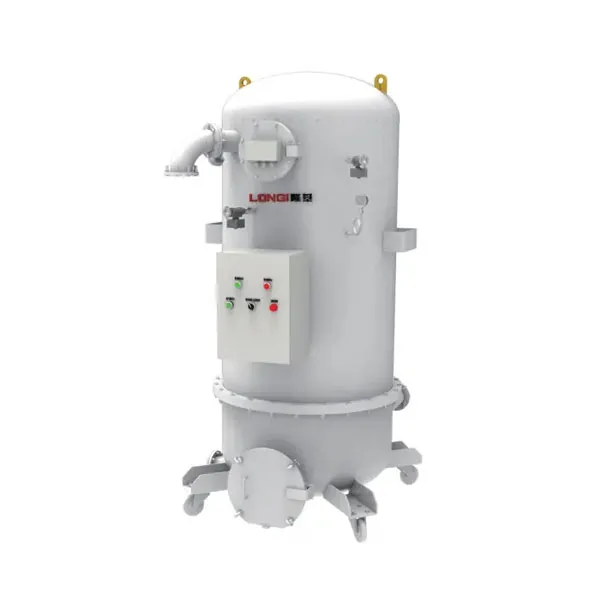
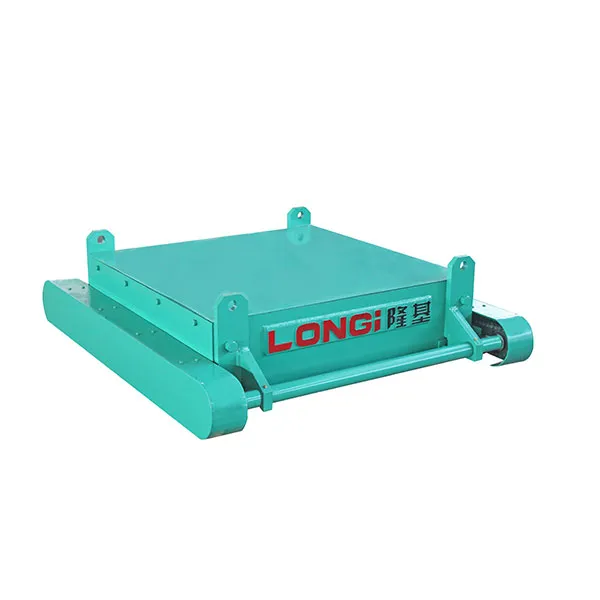
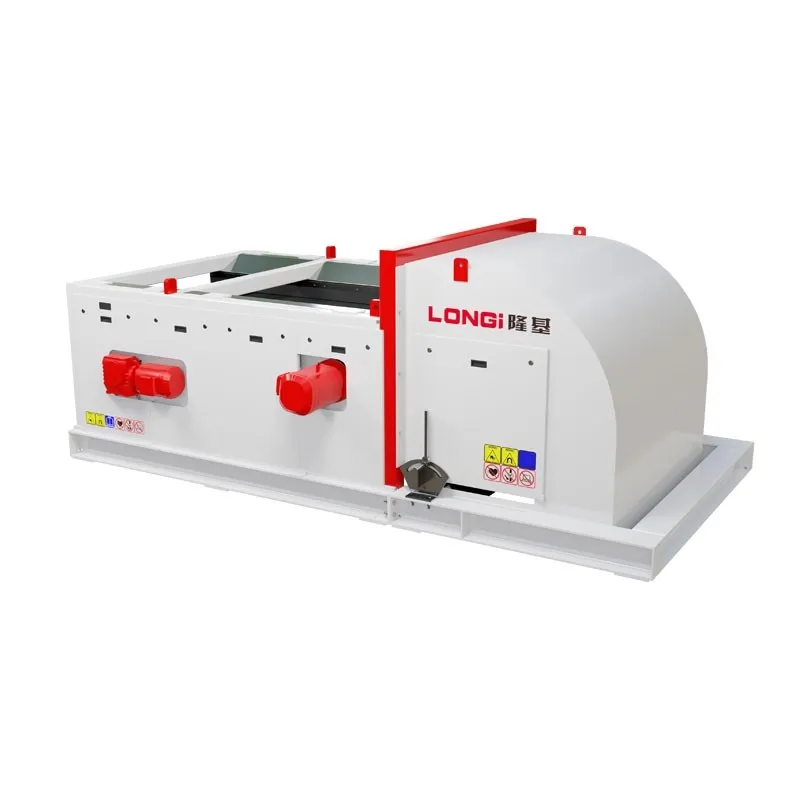
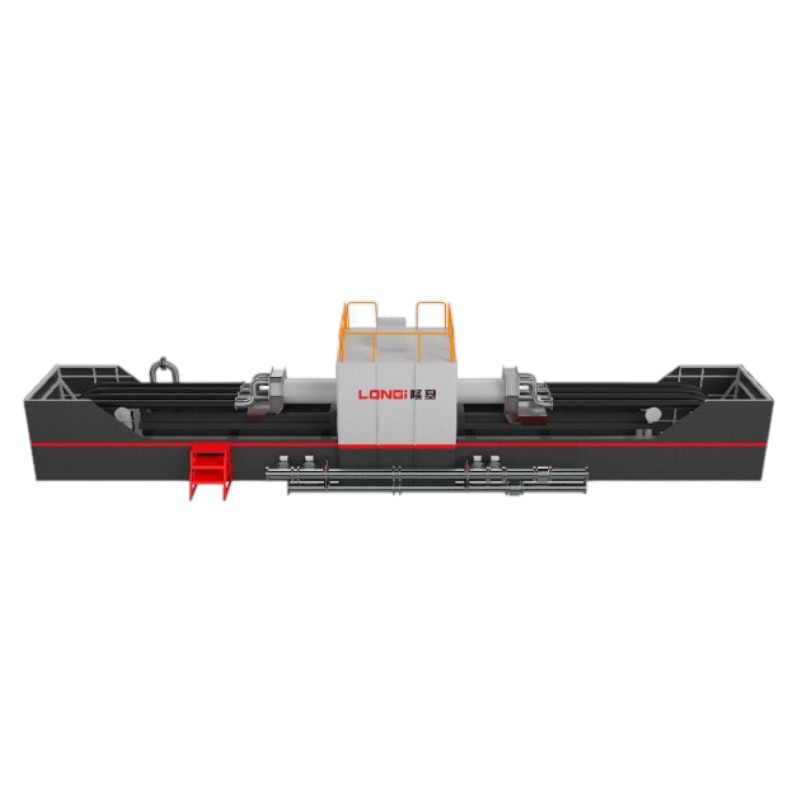
LJWH Series Superconducting Magnetic Separator for Non-Metallic Minerals
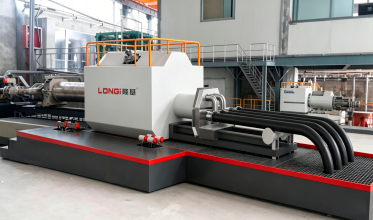
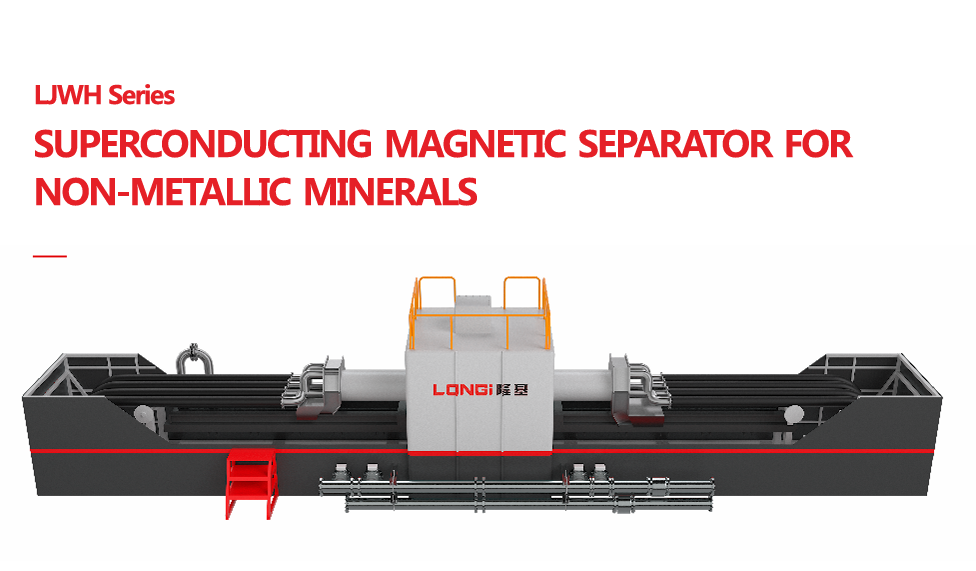
Superconducting magnetic separation is an innovative physical magnetic separation method developed based on the application of superconducting technologies in the field of magnetic separation. It is suitable for removing impurities and purifying non-metallic minerals such as kaolin, bauxite, red mud, lepidolite and other minerals.
Description
marker
Equipment introduction
Superconducting magnetic separation is an innovative physical magnetic separation method developed based on the application of superconducting technologies in the field of magnetic separation. It is suitable for removing impurities and purifying non-metallic minerals such as kaolin, bauxite, red mud, epidolite and other minerals.
Description of equipment
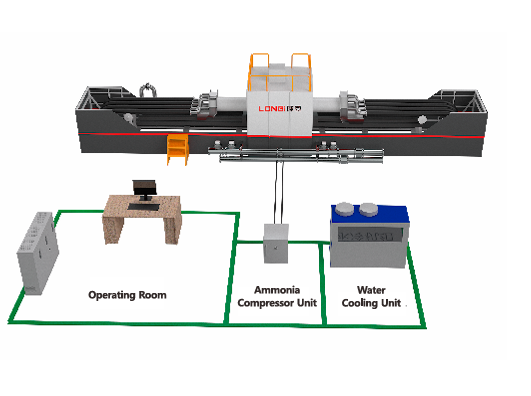
Superconducting wires made of Nb-Ti alloy and other superconducting materials are wound into special coils and placed in a sealed low-temperature Dewar vessel. Through liquid helium immersion cooling or conduction cooling, the operating temperature of the superconducting coils is maintained at approximately -268.8 °C.
At this temperature, the superconducting coil has zero electrical resistance and goes into a superconducting state. It can conduct large currents without generating heat, thereby creating a strong background magnetic field with an induction of more than 2 Tesla. The GM refrigerator (rated power: 7.5 kW) is only needed to maintain the superconducting magnet in this low temperature state. Compared with conventional resistive magnets, it saves more than 90% energy consumption, completely solving the problem of high energy consumption in traditional magnetic separation operations.
Specifications
Magnetic field strength
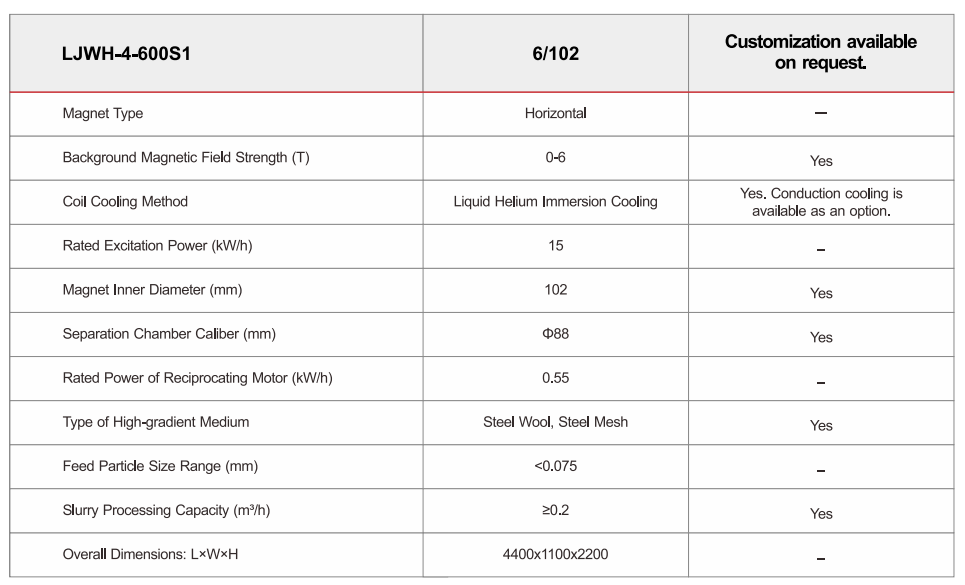
The magnetic field strength can reach 5 Tesla or more, which is 3–5 times higher than that of conventional magnetic separators.
· Operating costs
The power consumption of the excitation system is less than 15 kWh. Compared to traditional magnetic separators, energy savings exceed 90%.
· High degree of automation
The equipment is equipped with a PLC-based automatic control system and a condition monitoring function, which ensures long-term stable operation and allows operation in automatic mode.
High separation accuracy
Capable of capturing fine, weakly magnetic particles less than 30 microns in size, which cannot be removed by conventional magnetic separators. This increases the enrichment ratio of magnetic materials, reduces the consumption of chemical reagents and the volume of waste, thereby increasing the efficiency of resource use.
Low maintenance costs
The maintenance period for helium-based refrigerant is 10,000 hours; The maintenance period for the helium compressor and water cooling system is 25,000 hours.
Equipment Specifications
contact us
Related Popular Products
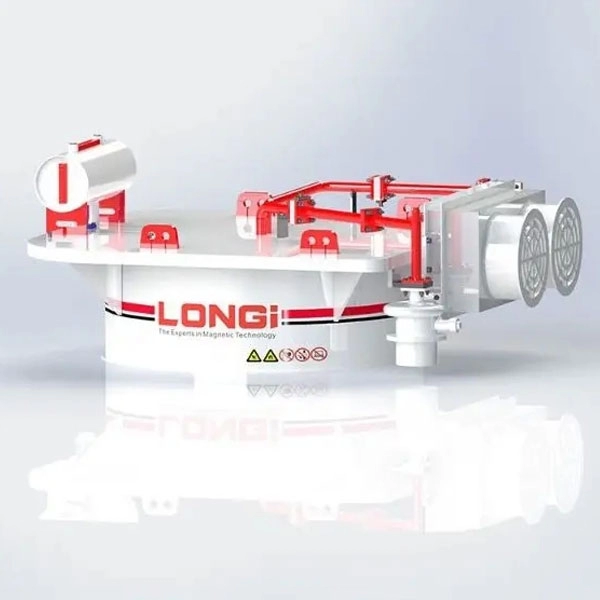
RCDE
Belt electromagnetic separators are installed along the material flow or transversely to remove ferrous materials over the side of the conveyor or across the conveyor.
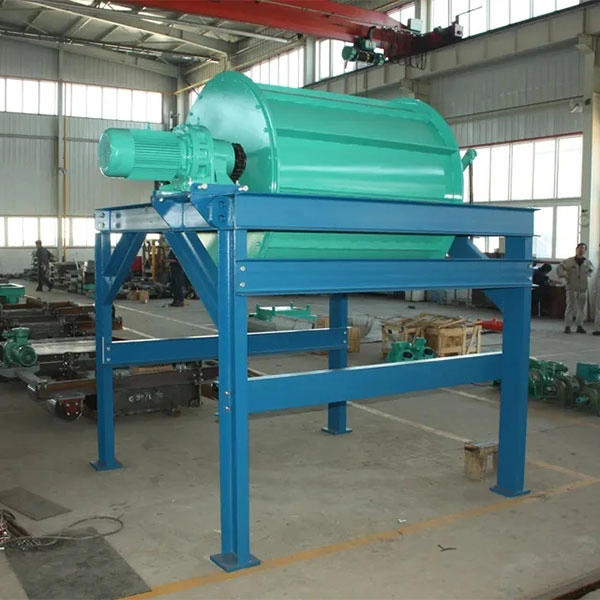
LCT
Permanent magnet drum separators are typically used to remove larger pieces of iron at a coarser stage. They are very useful in saving equipment costs by removing hard-to-reach materials early in the process cycle.
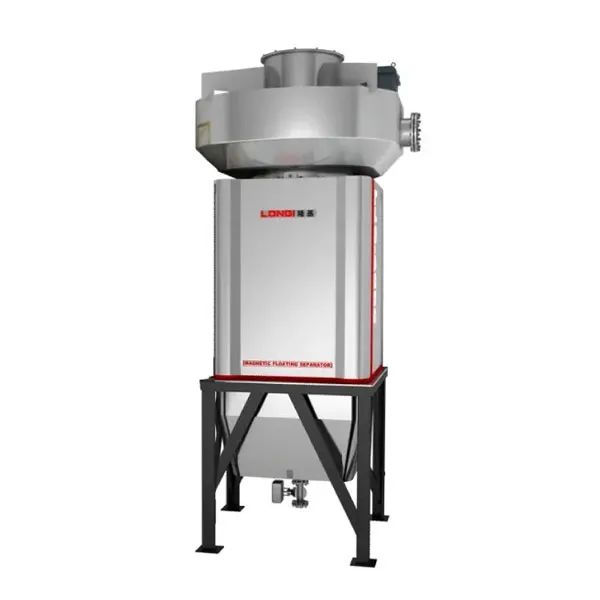
Flotation magnetic separator
Automatic flotation magnetic separator is used to process magnetite ore. It is mainly used for the purer stage of iron ore separation.
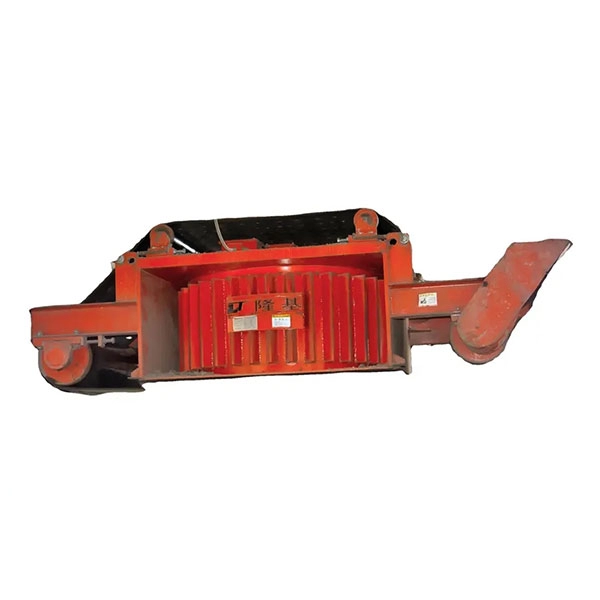
LJG-D Series Electromagnetic Armored Magnetic Separator for Steel Slag
Broadband magnet is widely used in areas with transported materials. Belt magnets are installed on top of the cross conveyors. The permanent magnet unit is a key piece of equipment which, thanks to our advanced designs, is usually equipped with a discharge belt. It has high strength as well as a long service life.
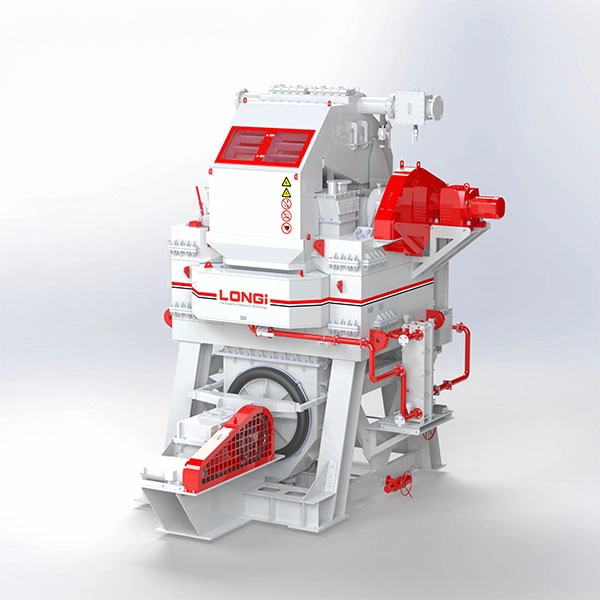
High Intensity Wet Concentration Magnetic Separator for Metal Removal
This product is specially designed for the enrichment of weakly magnetic minerals or the removal of ferrous impurities from non-metallic minerals.
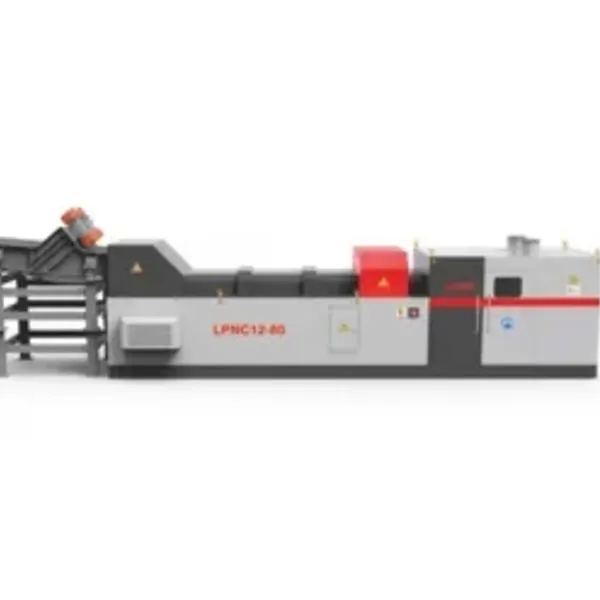
XRT Intelligent sorting machine
Product Background Intelligent Sorter (XRT) Mineral depletion rates have increased as mining has developed over the years, resulting in increased energy and material consumption in downstream crushing, grinding and screening processes, resulting in increased production costs. Thus, pre-sorting is an effective way to improve production efficiency and reduce production costs.
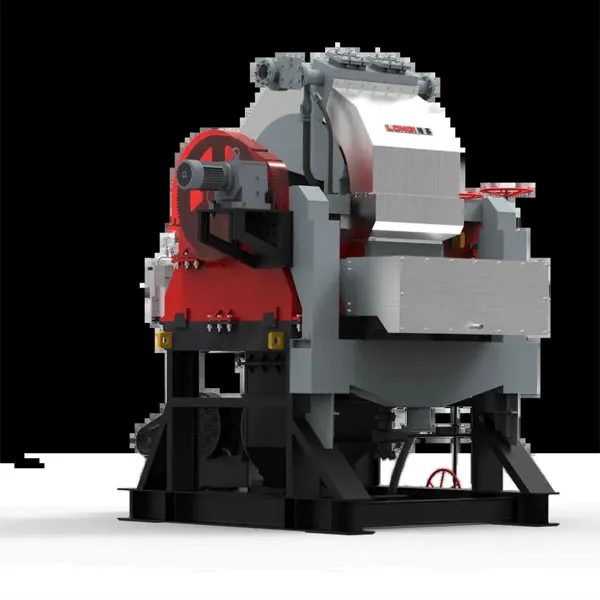
Intelligent Vertical Ring High Intensity Magnetic Separator
This product is specially designed for the enrichment of weakly magnetic minerals or the removal of ferrous impurities from non-metallic minerals.
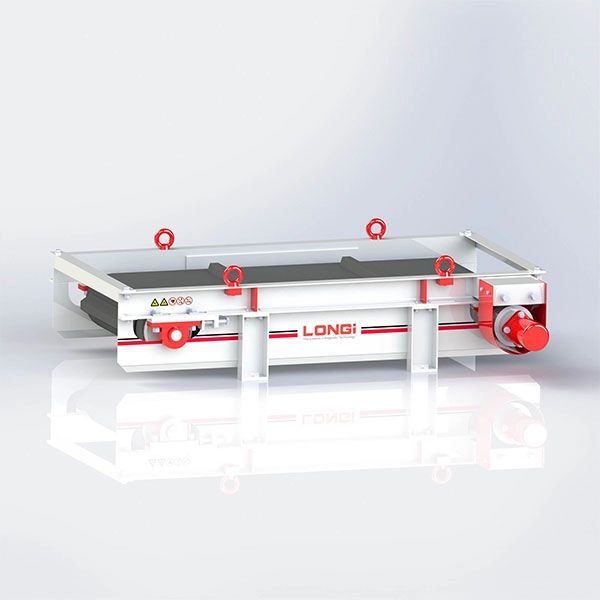
Light Type Self-Cleaning Permanent Magnetic Hanging Iron Separators
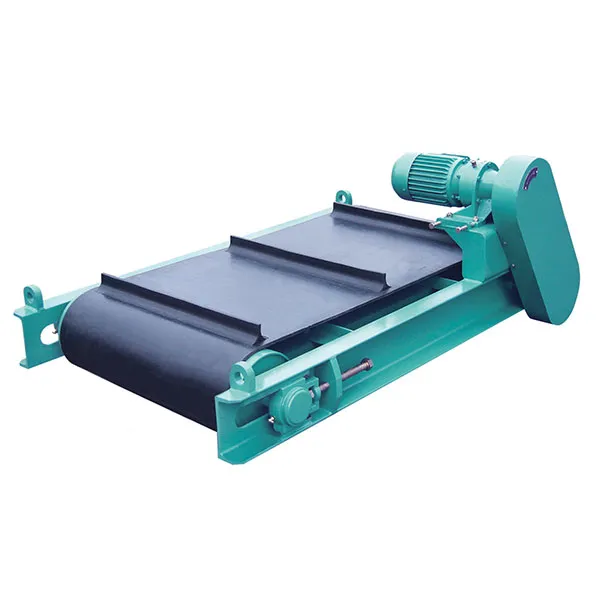
Self-cleaning permanent magnetic separators, or permanent cross belts as they are commonly called, are used in almost every industry where there is a need to clean pig iron from a conveyor, but the intensity does not have to be as high and the job is easier. Some industries like this include plastic recycling, tire shredding, fertilizer, scrap metal and many more.
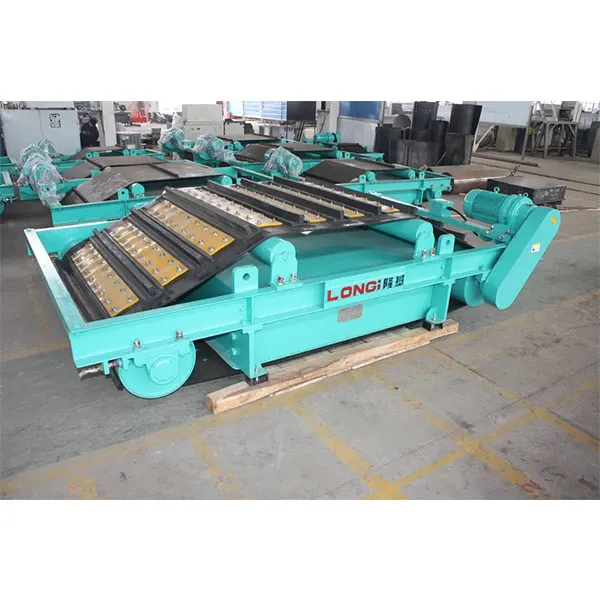
RCYK-C
Permanent magnetic power plant separators, or cross belts as they are commonly called, are used in most power plants to remove any unwanted iron that gets into the system and onto the belts. An armored belt is available if the parts are sharp.
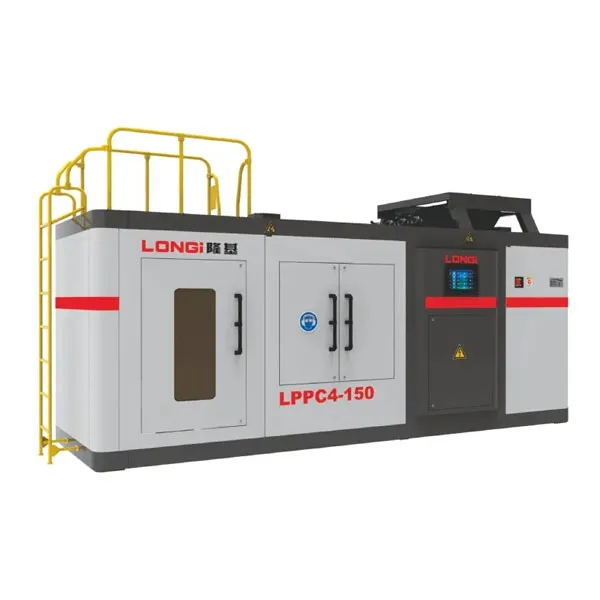
X-ray processing of minerals
Product Background X-Ray Spectrum Sorter (XRF) Mineral depletion rates have increased as mining has developed over the years, resulting in increased energy and material consumption in downstream crushing, grinding and screening processes, resulting in increased production costs. Thus, pre-sorting is an effective way to improve production efficiency and reduce production costs.
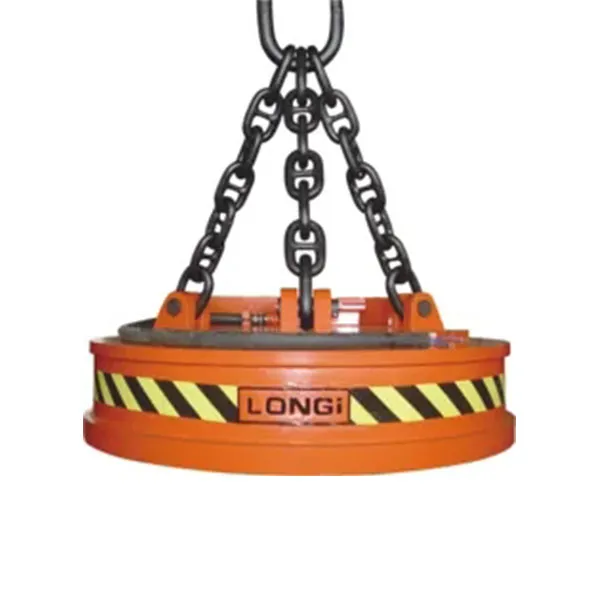
LMW Series Electric Lifting Magnet
Lifting magnet is usually used to transport scrap continuously throughout the day. It is used in metalworking plants to lift and transport steel parts, forgings, castings, plates, beams, channels, angles, bars and bar grating. These are effective devices for saving time and labor costs. This relieves operators of the cumbersome work of installing and securing lift supports using traditional material handling tools.
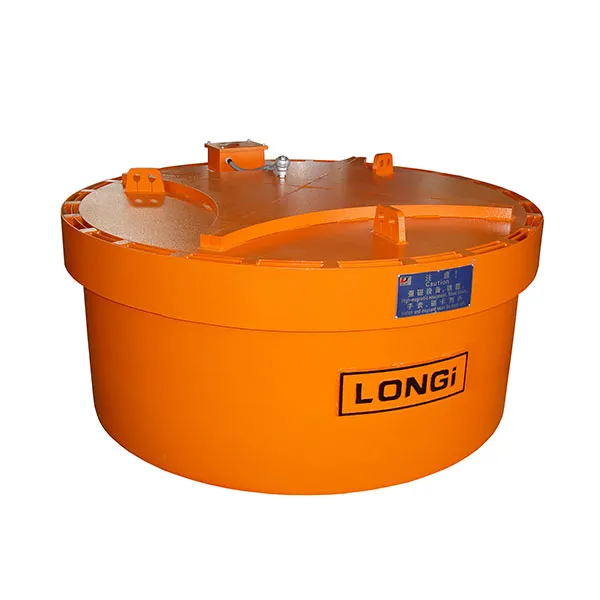
PDC
The manual electromagnetic iron separator is used at sites where it is necessary to remove small and large iron particles in thick layers of material, such as coal transportation stations, concrete processing sites, etc.
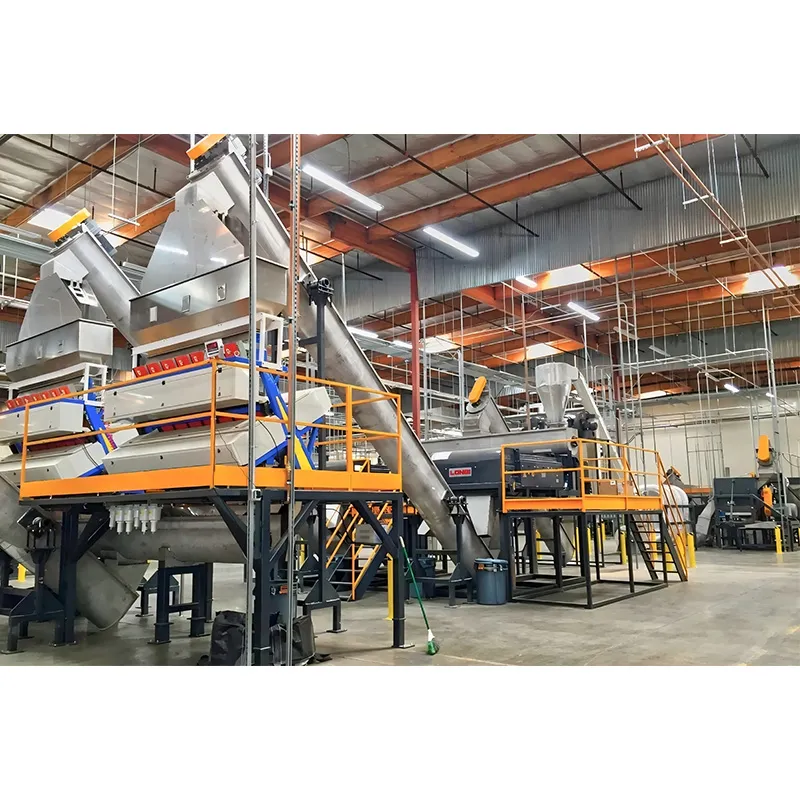
mining and metallurgical industry of Russia new technologies and development prospects
The mining and metallurgical industry of Russia, as a country with global mineral reserves, occupies an important place in the world economy. This sector not only has a rich resource base, but also demonstrates strong technological innovation potential and broad development prospects.
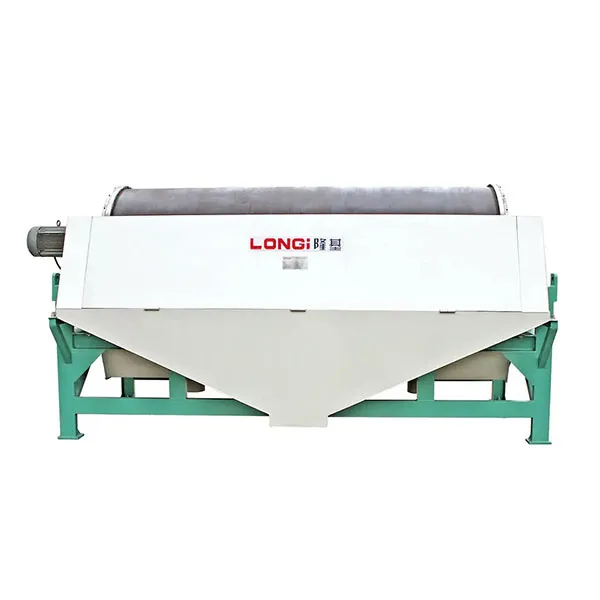
Magnetic separator
The LONG it wet drum magnetic separator has a magnetic intensity of 650 to 7000 GS. It is suitable for concentrating ferromagnetic minerals such as magnetite and recovering heavy media. In 2011, LONG i launched the world's largest wet drum separator with a diameter of 1500 mm and a width of 5000 mm with a capacity of up to 400 t/h.
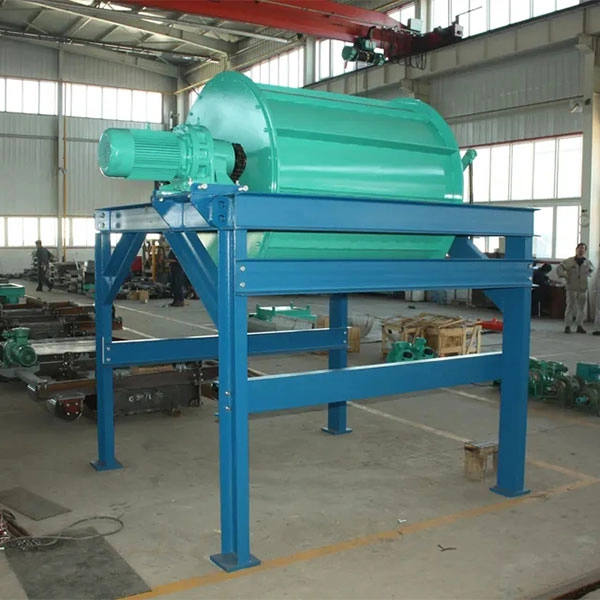
LCT
Permanent magnet drum separators are typically used to remove larger pieces of iron at a coarser stage. They are very useful in saving equipment costs by removing hard-to-reach materials early in the process cycle.
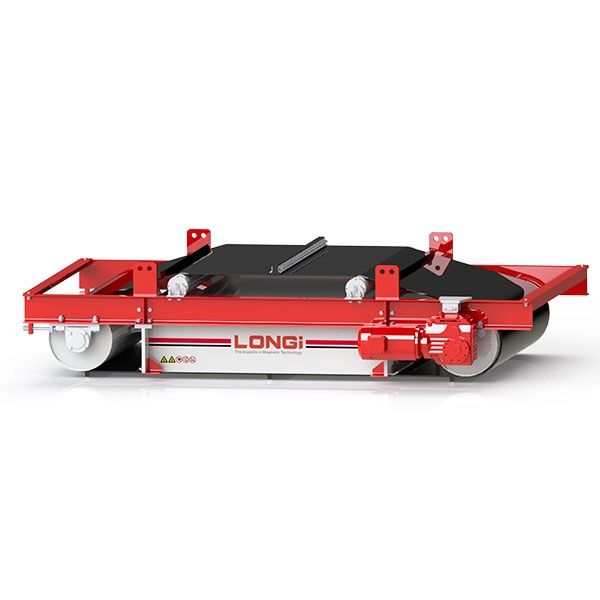
Permanent magnetic suspended iron separators
Permanent magnetic power plant separators, or cross belts as they are commonly called, are used in most power plants to remove any unwanted iron that gets into the system and onto the belts. An armored belt is available if the parts are sharp.


