

Russia is considering introducing an excess profits tax on mining companies amid military spending in Ukraine.
2026-04-28
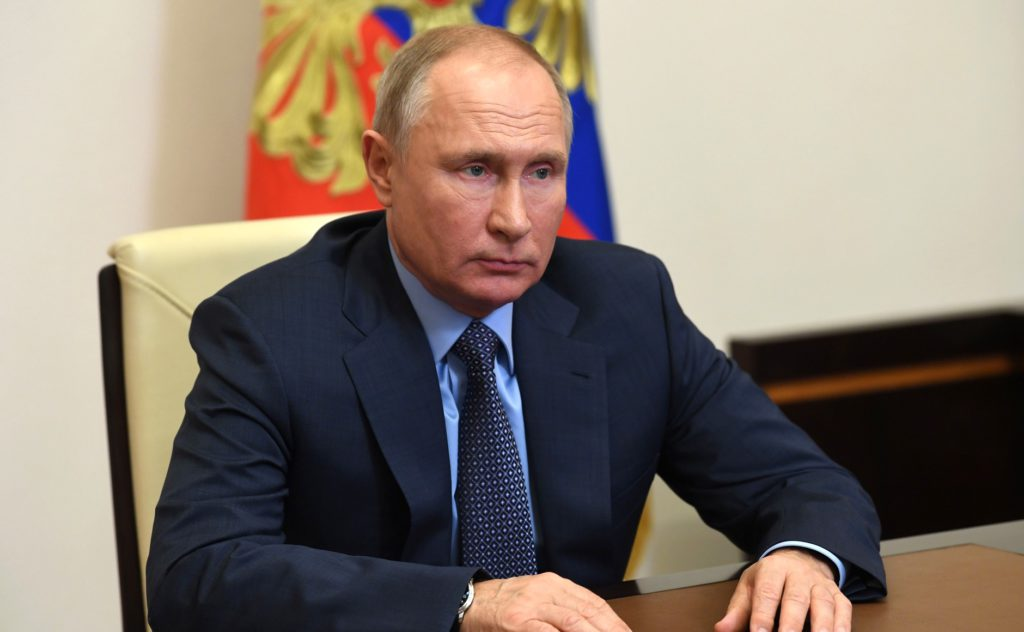
Vladimir Putin. Source: Wikimedia Commons
Russia is considering introducing a windfall profit tax on some commodity producers and banks as the Kremlin seeks additional funds to cover a budget deficit amid rising war-related costs, according to people familiar with the matter.
The Ministry of Finance is considering introducing a new excess profits tax for businesses amid the ongoing invasion of Ukraine in 2022. A final decision has not yet been made, with detailed discussions likely to begin in the second half of the year as part of the new budget cycle, said the people, who asked not to be identified because the information is not public.
According to them, potential targets could include some commodity companies, such as the largest gold producer PJSC Polyus and mining giant PJSC Norilsk Nickel, as well as private banks.
Russia's war economy slowed last year as its budget deficit widened, forcing the government to seek additional sources of revenue, including by raising its value-added tax starting this year.
The government press service did not immediately respond to a request for comment, and Norilsk Nickel and Polyus declined to comment.
In 2023, Russia had already decided to impose an excess profit tax on large businesses, as the budget came under pressure after the outbreak of war in Ukraine. The Finance Ministry plans to cut the budget deficit by about 1.6% of gross domestic product this year, following a deficit of 2.6% in 2025.
The prospect of another levy comes as Russia's GDP is likely to contract in the first quarter after output fell nearly 2% in the first two months, the first quarterly decline since early 2023. The business climate indicator in Russia turned negative last month for the first time since the war in Ukraine began.
The idea of introducing additional taxes resurfaced after President Vladimir Putin held a closed meeting with a group of billionaires in March, when one of them proposed contributing a large sum to the state budget, which was approved by the Kremlin. Local publication The Bell reported that Suleiman Kerimov, whose family made a fortune through its stake in the Polyus company, offered to donate 100 billion rubles ($1.3 billion) to the budget, but this claim could not be confirmed by independent sources.
![[Exhibition Highlights] LONGi Magnet at CIM Convention 2026 in Vancouver](https://ecdn.cnyandex.com/sylj/uploads/LONGi-Magnet-на-выставке-CIM-Convention-2026.jpg)
![[Exhibition Highlights] Longi Shines at the 19th Non-Metallic Minerals Conference](https://ecdn.cnyandex.com/sylj/uploads/Компания-Longi-блистает-на-19-й.jpg)